Living in Bryn Mawr PA: Main Line Charm and Daily Ease
June 18, 2026
June 18, 2026
If you want a neighborhood that feels established, connected, and easy to live in, Bryn Mawr stands out for a reason. You get classic Main Line character, a walkable village core, and strong transit access, all within easy reach of Philadelphia. For buyers and sellers alike, it helps to understand how Bryn Mawr actually works day to day, and what gives it such lasting appeal. Let’s dive in.
Bryn Mawr is best understood as a Main Line village, not just a single municipality. According to the Lower Merion Historical Society, it is a community of about 6,000 people roughly nine miles west of Philadelphia, with no formal boundaries and the largest share located in Lower Merion Township. Smaller portions also extend into Radnor and Haverford townships.
That local identity matters when you are searching for a home. Many people say they live in Bryn Mawr even though the exact property may fall under different township lines. If you are buying or selling here, it is smart to look beyond the mailing address and confirm the property’s exact municipality, zoning, and public services.
The name itself comes from Welsh for “great hill,” which fits the area’s long-standing Main Line identity. Lower Merion also recognizes Bryn Mawr as one of its named villages, and that helps explain why the neighborhood has such a strong sense of place.
One of Bryn Mawr’s biggest strengths is that it does not feel one-note. The area developed from an agricultural settlement into a Victorian summer resort and later into one of the region’s early commuter suburbs after railroad expansion. That history still shows up in the streetscape today.
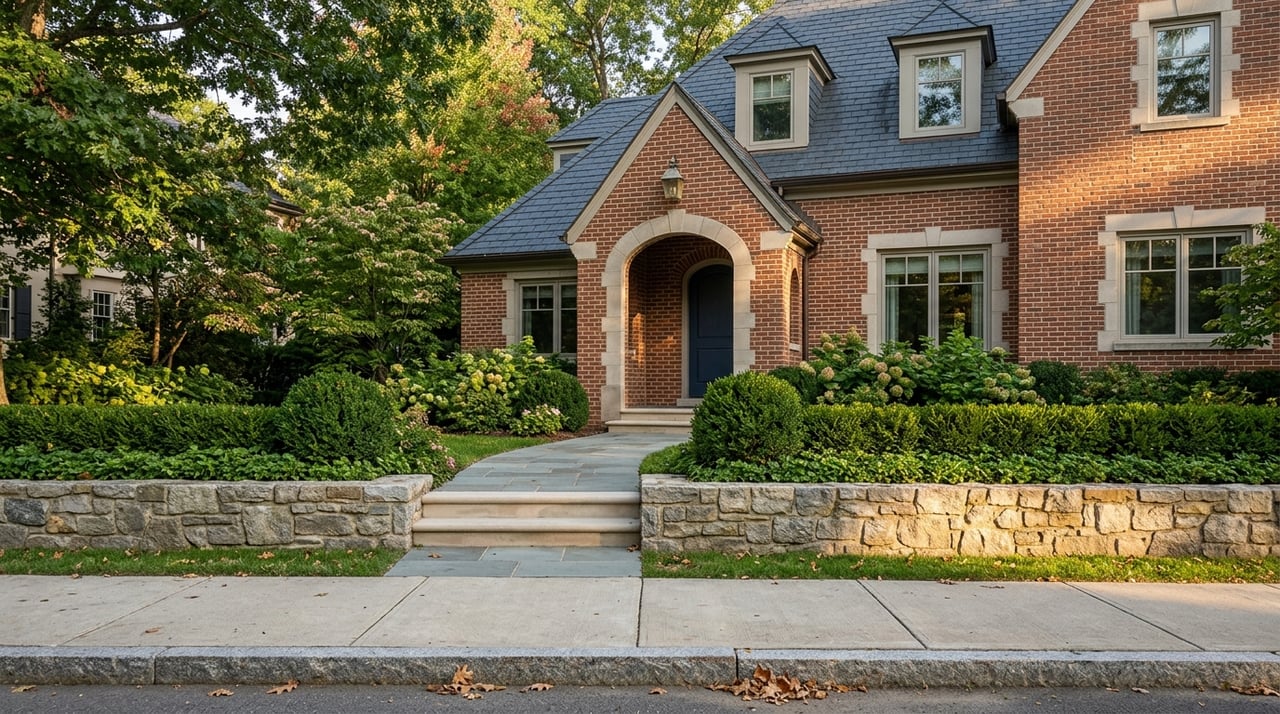
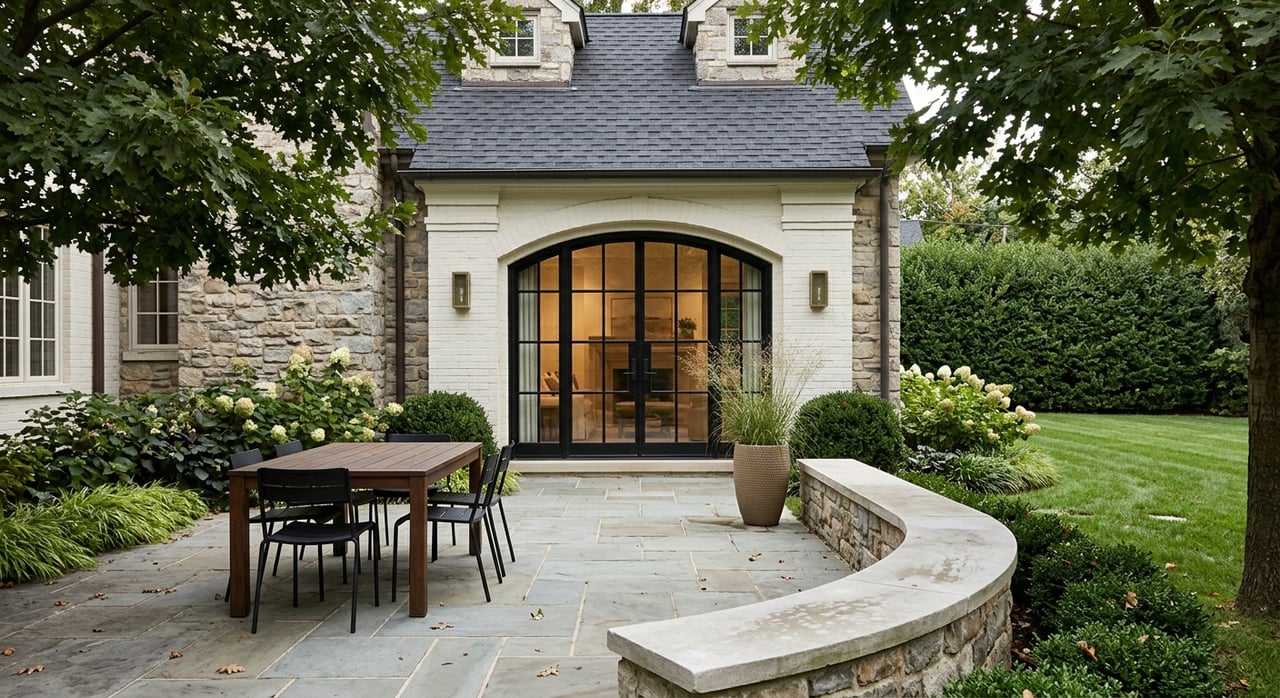
As you move through Bryn Mawr, the character can shift block by block. You may see larger estate-era homes, smaller early 20th-century houses, institutional buildings, and village-style commercial blocks all within a relatively compact area. That layered feel is a big part of what draws people in.
Architecturally, local sources point to shingle, Queen Anne, and Romanesque-era forms, while Bryn Mawr College adds another important design element with its American Collegiate Gothic campus and landscaped setting. For you as a buyer, this means home style, scale, and lot feel can vary quite a bit depending on the street.
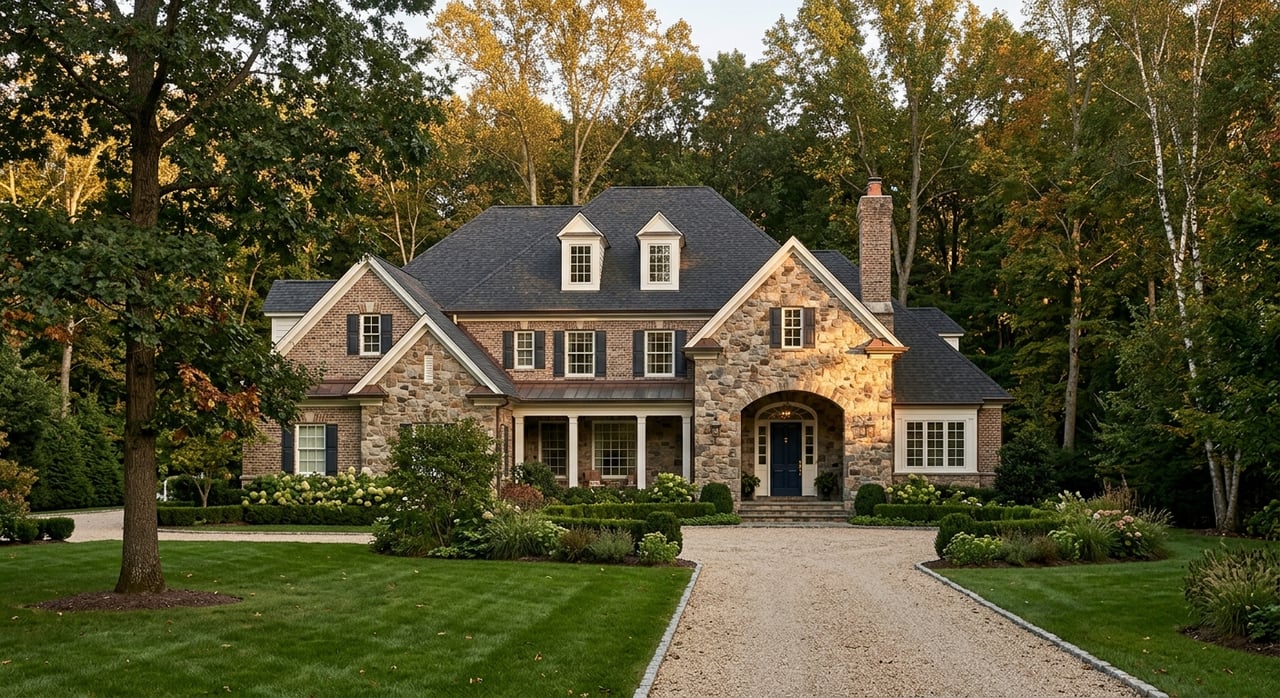
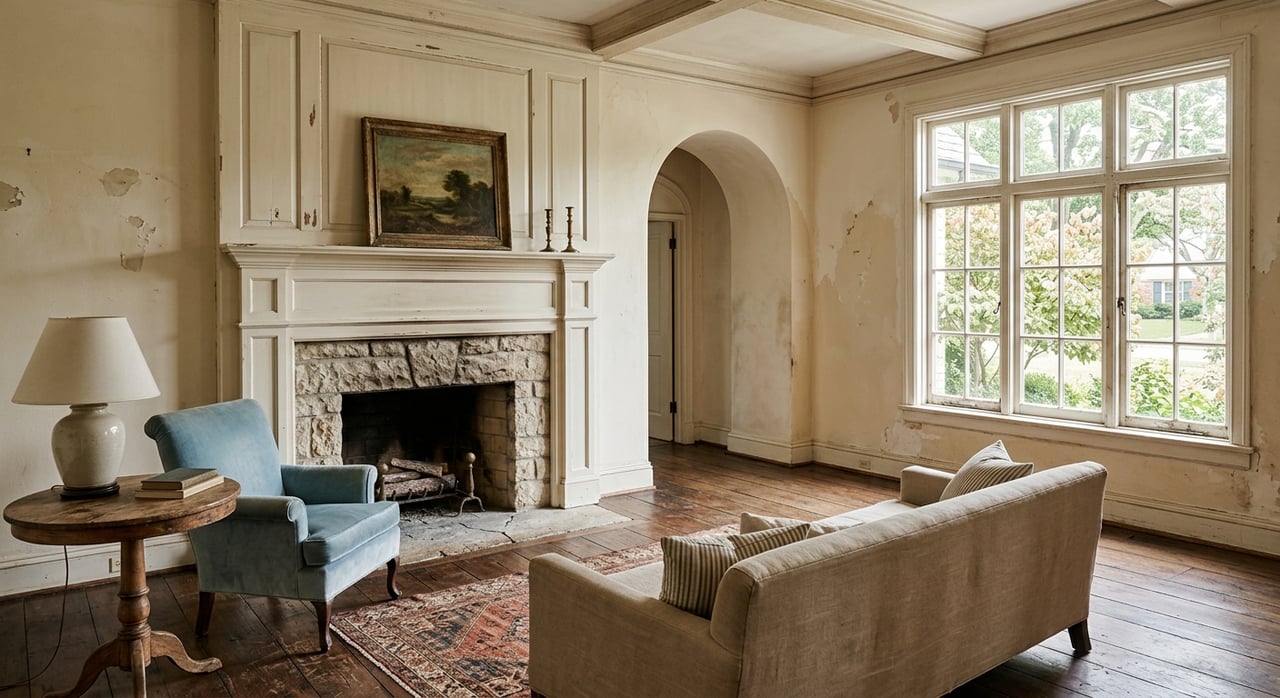
If you are considering living in Bryn Mawr, it helps to know that the housing stock is not uniform. Some homes reflect the area’s earlier estate history, while others fit more traditional suburban patterns from the early 1900s onward. That variety can be appealing if you want options beyond a typical subdivision feel.
The blocks closest to Lancaster Avenue and the train station tend to read as the most village-like, based on township planning language focused on pedestrian-oriented design and traditional streetscape character. Side streets nearby often feel quieter and more residential. In practice, that gives you a wider range of living experiences within the same community.
For value-minded buyers, Bryn Mawr can also reward careful evaluation. In older housing markets, condition, layout, updates, and exterior constraints can matter just as much as square footage. A thoughtful review of a home’s improvement potential, maintenance needs, and long-term fit is especially important here.
Bryn Mawr’s character is closely tied to preservation. Lower Merion’s Historical Architectural Review Board reviews exterior changes for properties in historic districts and for properties on the township’s Historic Resource Inventory. The township also maintains an official list of designated historic resources.
If you are buying a home with historic status or within a historic district, that can affect future exterior work such as additions, visible renovations, or design changes. If you are selling, it can also shape how buyers view the property and what questions they ask during the process. Understanding those details early can help you plan with more confidence.
Bryn Mawr works well for people who want convenience without giving up charm. The township describes the commercial district as a compact village setting with a mix of shops, a historic movie theater, a train station, colleges, schools, and a hospital. That combination gives the area a complete, lived-in feel.
Township planning documents also note that the district includes the widest range of businesses and services in Lower Merion. For you, that can mean handling errands, dining, and everyday needs in a more compact footprint than you might find in more spread-out suburban retail areas.
Long-running businesses help reinforce that sense of continuity. The Lower Merion Historical Society notes that John Fish & Son is the oldest retail store on the Main Line and that Bryn Mawr Hardware has long served as a community gathering place. These are small details, but they say a lot about the neighborhood’s staying power.
Bryn Mawr offers more than just convenience. It also has a strong mix of cultural and civic anchors that add depth to daily life.
Bryn Mawr College is a major presence, known for its Collegiate Gothic architecture and picturesque grounds. The township also highlights the restored Bryn Mawr Film Institute in the historic Seville Theatre, which adds another recognizable local destination.
For everyday community use, Ludington Library serves as the Bryn Mawr branch of Lower Merion’s six-library system. The Bryn Mawr Community Center includes tennis courts, a tot playground, green space, a gazebo, and meeting rooms. Together, these spaces give residents multiple ways to plug into local life.
For a village setting, Bryn Mawr and the surrounding area offer notable access to green space. Local resources point to Harriton Preserve inside Harriton Park, the Cynwyd Heritage Trail, Warner Ave Playground, and other nearby open-space assets.
That matters if you want a neighborhood that balances walkability with room to get outside. Even though Bryn Mawr functions as a dense Main Line core, it still offers access to trails, preserved land, and recreational spaces nearby. For many buyers, that mix is a major part of the appeal.
Transit is one of Bryn Mawr’s most practical advantages. SEPTA’s Paoli/Thorndale Line serves Bryn Mawr, and bus routes 105 and 106 connect riders to 69th Street Transit Center and Center City Philadelphia.
If you commute into the city, that rail-and-bus combination can make Bryn Mawr especially attractive. You get a village environment with established housing and services, while still keeping a direct connection to larger job and activity centers.
For buyers comparing Main Line locations, transit access often shapes both lifestyle and long-term desirability. In Bryn Mawr, that access is a core part of the neighborhood’s identity, not just a secondary perk.
Parking in Bryn Mawr is available, but it is managed rather than unlimited. Township materials list 764 total public parking spaces in Bryn Mawr’s parking district, including 502 public spaces in eight public lots within the district and 199 SEPTA surface parking spaces near the station and north of the tracks.
The township also notes long-term meters at Bryn Mawr Station, Central Bryn Mawr, and Water Street. Standard metered parking runs Monday through Saturday from 8 a.m. to 6 p.m., with meter parking free after 6 p.m. and on Sundays.
If you are thinking about living close to the village core, these details are worth understanding. Walkability is a major benefit, but parking patterns can still influence your daily routine, especially if you want quick access to shops, dining, or transit.
Another practical strength is access to healthcare. Main Line Health lists Bryn Mawr Hospital at 130 S. Bryn Mawr Avenue and notes that it was founded in 1893. Bryn Mawr Family Practice is also located nearby at 135 S. Bryn Mawr Avenue.
That concentration of services adds to the area’s convenience. For many residents, it is part of what makes Bryn Mawr feel like a complete community rather than just a bedroom suburb or rail stop.
Schools are an important part of many home searches, but Bryn Mawr requires extra care because its boundaries are not formal. Lower Merion history materials note the presence of public and private schools as well as nearby colleges and universities, including Bryn Mawr College, Harcum College, Haverford College, Rosemont College, and Saint Joseph’s University.
Because Bryn Mawr extends into multiple townships, public-school assignment should be confirmed for the exact property. If you are buying, do not assume the mailing address tells the full story. If you are selling, accurate property-specific information helps set the right expectations for buyers.
The census-defined Bryn Mawr CDP had 5,879 residents in the 2020 Census. Census QuickFacts lists a median household income of $92,961 and a median owner-occupied home value of $453,400 for 2020 through 2024.
Those figures can be useful for general context, but they should be read carefully. The census geography does not line up perfectly with how people commonly define Bryn Mawr in everyday life. When evaluating a specific home, street, or micro-location, the broader village identity and exact property details matter just as much as the headline numbers.
Bryn Mawr tends to appeal to people who want a few things at once. You may value historic character, a walkable village center, access to transit, nearby parks, and a neighborhood with long-established institutions and services.
It can also be a strong fit if you appreciate housing variety and want to think strategically about layout, condition, and long-term value. In an area with older homes and layered development, a careful, informed approach often pays off.
If you are planning a move in Bryn Mawr, it helps to work with someone who can look beyond surface finishes and help you weigh location, condition, character, and improvement potential together. If you want calm, thoughtful guidance on buying or selling in Bryn Mawr or the broader Main Line, connect with Brent Lyle Erickson.
Stay up to date on the latest real estate trends.
Whether you’re buying your first home, selling a property, or exploring investment opportunities, Brent Erickson offers the patience, knowledge, and commitment needed to help you reach your real estate goals with confidence.