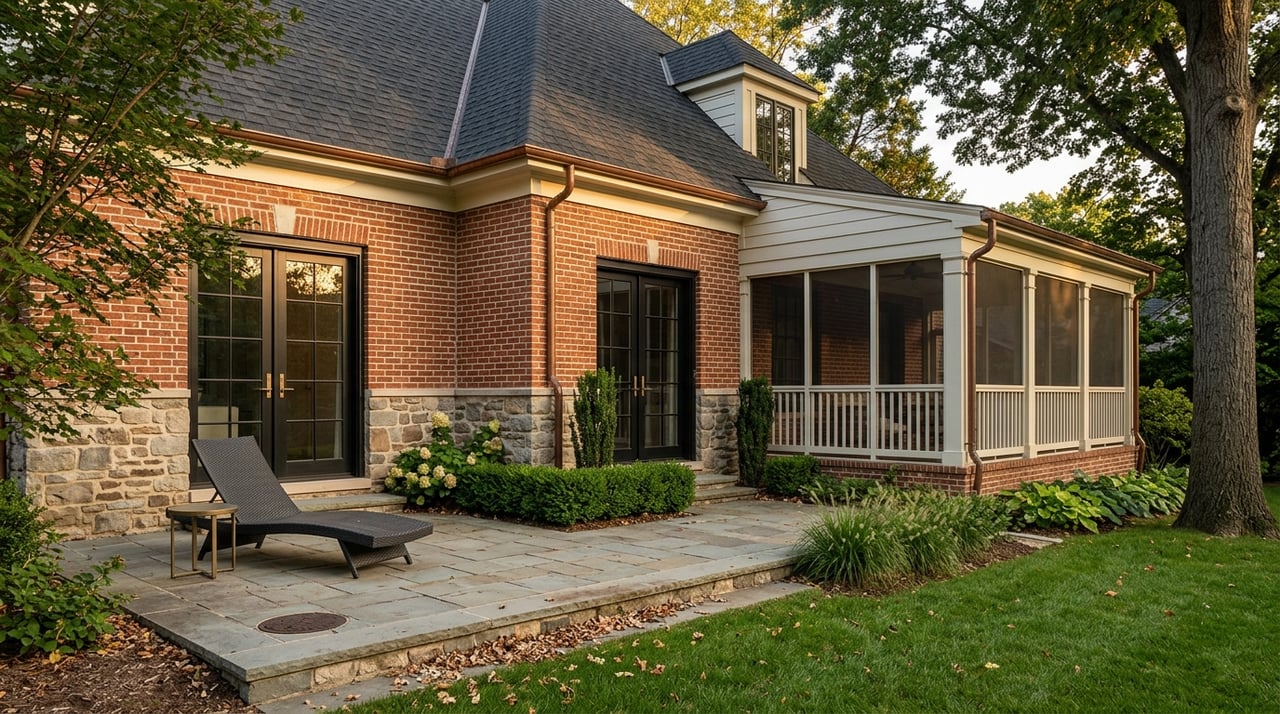
How to Spot Value in Malvern PA Investment Properties
May 7, 2026
May 7, 2026
You do not need a full gut renovation to find upside in Malvern. In many cases, the better opportunity is a well-located home with solid bones, aging finishes, and a few fixable issues that other buyers overlook. If you want to spot renovation and investment potential without taking on the wrong kind of risk, it helps to know where value tends to hide in this market. Let’s dive in.
Malvern offers a mix of small-town character, walkability, and rail access that continues to support buyer interest. The borough sits near the Route 202 corridor, includes older homes with historic character, and has been managing ongoing revitalization and growth.
That context matters because Malvern is not a market where you can assume any renovation will pay off. Census-based data points to an owner-occupied market with relatively high home values, including a median owner-occupied value of $521,800. That suggests you are often better served by buying for location and structure first, then making smart, measured improvements.
In Malvern, hidden value often appears in older homes that need updating rather than complete rebuilding. Borough planning materials note that about one-third of the housing stock was more than 70 years old, and nearly half was more than 50 years old.
That kind of housing stock can create opportunity for buyers who look past cosmetic wear. A dated kitchen, tired exterior, or awkward layout may look discouraging at first, but those issues can be manageable if the structure, moisture conditions, and systems are workable.
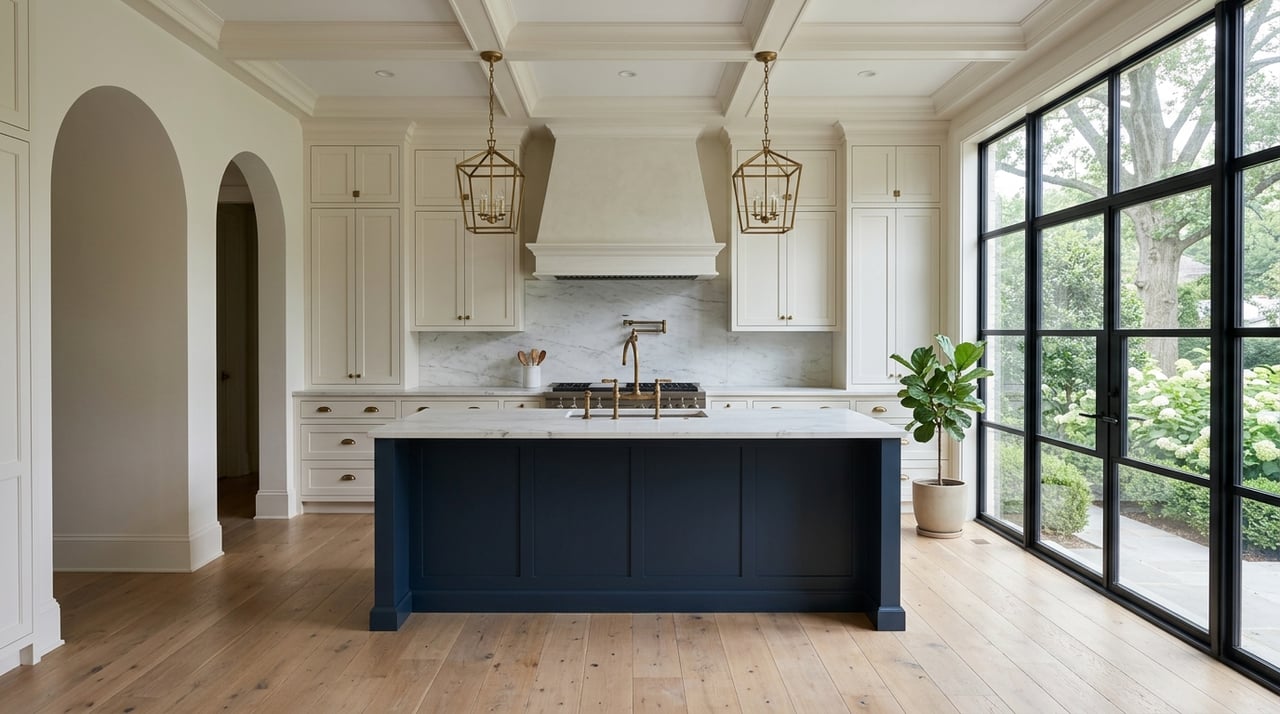
A home with outdated paint, older flooring, or worn cabinetry may be a better buy than a house with fresh finishes hiding expensive problems. When you evaluate a property, it helps to separate cosmetic updates from structural or systems issues.
The highest-priority items to review include:
This is where a practical, construction-minded review can make a big difference. You want to understand whether the home needs surface improvements or whether the project could expand into a much more expensive rehab.
Older Malvern homes can come with risk factors that affect budget and timeline. Borough guidance notes that homes built before 1980 may contain asbestos.
That does not mean every older home is a bad candidate for renovation. It does mean you should pay close attention to materials, hidden water damage, and any changes that might trigger code-related upgrades once walls are opened or systems are altered.
One of the biggest mistakes buyers make is underestimating the line between a light renovation and a major project. In Malvern, that line matters because permit rules, inspections, and fees can change your numbers quickly.
According to borough guidance, painting, flooring, cabinet and countertop replacement, and replacing doors or windows in the same opening are generally treated as ordinary repairs. Those are often the kinds of updates that can improve appeal without dramatically increasing complexity.
Projects become more involved when you move beyond finishes and start changing how the home functions. Structural alterations, removing load-bearing elements, changing egress, and rerouting systems are permit-triggering work.
Malvern also requires permits for plumbing, electrical, and mechanical new or replacement work, including new water supply and sanitary connections. If your plan includes reworking walls, moving kitchens or baths, or expanding living space, you need to budget for both construction and compliance.
In a market like Malvern, soft costs are not minor details. They are part of your real acquisition and renovation budget.
The borough requires a Certificate of Occupancy for any change to a structure and for all home sales and rental units. That means your timeline and closing strategy should account for inspections and municipal requirements, especially if you are buying a property that needs work before occupancy.
Malvern’s current fee schedule includes several charges that buyers and small investors should account for early. These include:
Starting work without a permit doubles the original fee. That alone can turn a manageable budget into a frustrating one.
The borough also requires contractors to be registered and to provide proof of workers’ compensation before registration. For you, that means contractor selection is not just about price. It is also about making sure the team is properly set up to work in the borough.
Not every improvement delivers the same return. The 2025 Cost vs. Value report for the Philadelphia benchmark area shows that exterior upgrades continue to outperform many larger interior remodels.
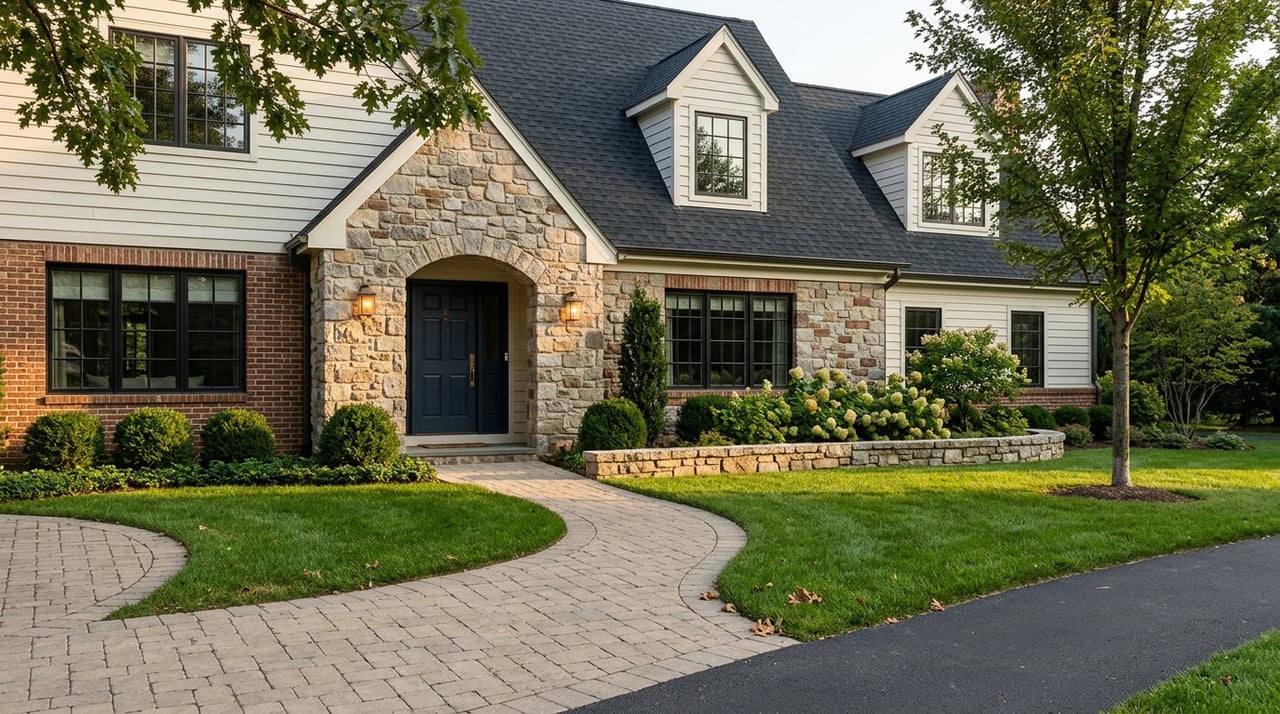
That trend fits what many buyers respond to in a selective market. Homes that show strong curb appeal and solid overall condition often stand out more than homes with oversized, expensive interior changes that do not clearly match surrounding value.
For the Philadelphia benchmark set, some of the strongest recoup rates came from exterior work:
These are not Malvern-specific appraisals, but they are useful for setting expectations. They suggest that visible, practical exterior improvements can be a smart place to start.
Interior remodeling still matters, but the return range is much wider. In the same benchmark set, a minor kitchen remodel cost $28,130 and recouped 113%, while a midrange bath remodel cost $27,767 and recouped 72.8%.
By contrast, a major midrange kitchen remodel cost $81,121 and recouped 46.1%. That is a reminder that bigger spending does not automatically mean better results, especially in a market where buyers may value condition and functionality more than luxury-for-luxury’s-sake.
If you are looking for value-add potential, the best candidate is often not the cheapest home. It is the home that combines a desirable location with fixable shortcomings.
In Malvern, that might mean a house with strong curb appeal potential, older finishes, and an inefficient layout that can be improved without major structural changes. It could also mean a property with deferred maintenance that has scared off casual buyers, even though the underlying structure is sound.
As you compare homes, ask yourself:
That last question is especially important in Malvern. With values already elevated, the goal is often to improve wisely, not to overbuild.
If you are considering a rental approach, Malvern’s operating requirements should be part of your analysis from day one. This is not something to tack on after closing.
The borough requires a Certificate of Occupancy for rental units, along with rental inspections, an initial rental license, and annual rental fees. Those recurring costs should be built into your holding and cash flow assumptions.
Because Malvern appears to be more owner-occupied than purely investor-driven, rental strategy should be grounded in realistic numbers rather than broad assumptions. A disciplined approach matters more than chasing a theoretical upside.
Malvern can be a great place to find renovation and investment potential, but the best opportunities usually come from careful analysis rather than dramatic transformation. In many cases, the winning formula is simple: buy a home with strong fundamentals, fix the issues that matter most, and avoid improvements that outpace the market.
That is where having an advisor with an engineering and construction lens can help. You want someone who can look beyond staging and finishes, identify where money should go first, and help you judge whether a project is a cosmetic refresh, a smart value-add, or a budget trap.
If you are thinking about buying, selling, or evaluating a value-add opportunity in Malvern, Brent Lyle Erickson can help you look at the numbers, the condition, and the real upside with a calm, practical approach.
Stay up to date on the latest real estate trends.
Whether you’re buying your first home, selling a property, or exploring investment opportunities, Brent Erickson offers the patience, knowledge, and commitment needed to help you reach your real estate goals with confidence.